
TSUGARU−NURI PRODUCTS



【Retailers】
-
gallery CASAICO
4-2-11 Joto Chuo, Hirosaki City, Aomori
PHONE. +81-172-88-7574
→Google map
-
green
1F, 22 Daikan-cho, Hirosaki City, Aomori
PHONE. +81-172-32-8199
→Google map
-
Hirosaki Museum of Contemporary Art
2-1 Yoshino-cho, Hirosaki City, Aomori
PHONE. +81-172-32-8950
→Google map
-
kusamura
42 Dote-machi, Hirosaki City, Aomoribr>PHONE. +81-172-22-6847
→Google map
-
KISUKE
1-1-5 Yanagawa, Aomori City, Aomori, Aomori Station East Exit Building, &LOVINA, 1st Floor
PHONE. +81-17-718-7270
→Google map
-
Sakurano Department Store Aomori, 6th Floor
1-13-2 Shinmachi, Aomori City, Aomori
PHONE. +81-17-723-4311
→Google map
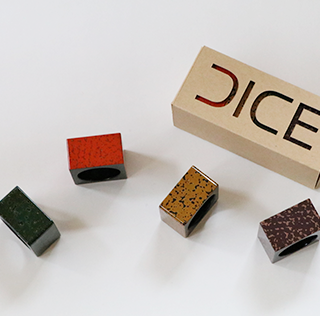
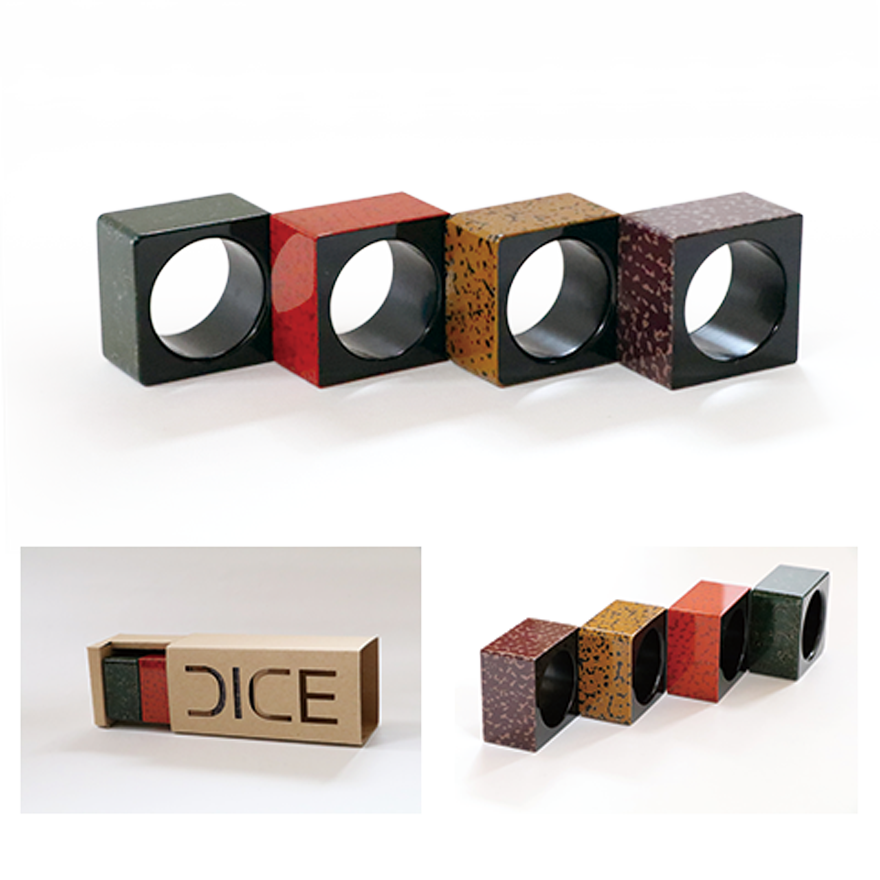
CHOPSTICK REST
—Craft NEXT—
Selected
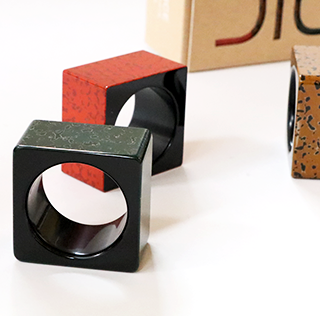
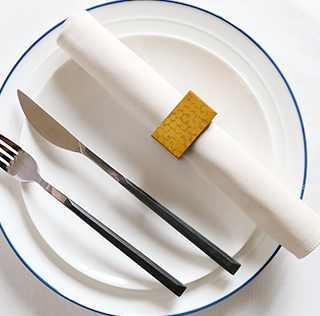
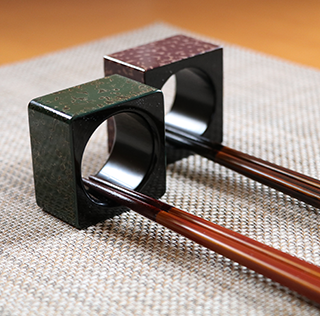
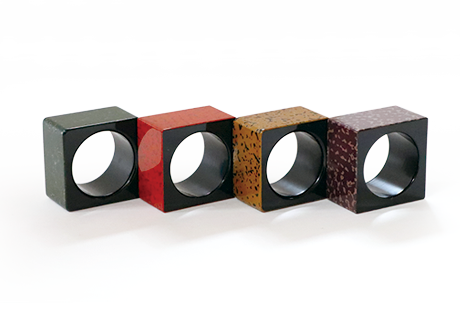
Featuring a dice motif and crafted using “Kara-nuri”—the most popular style of “Tsugaru-nuri”—“DICE” is sure to delight your guests at home parties and when entertaining.
- 4P20,000 yen + tax
- 1P5,000 yen + tax
MATERIAL/Natural wood, Fabric, and Natural lacquer
SIZE/W46×H46×D27mm
Design Registration No.1615872
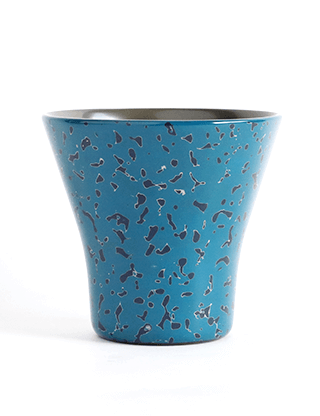
SHADE CUP
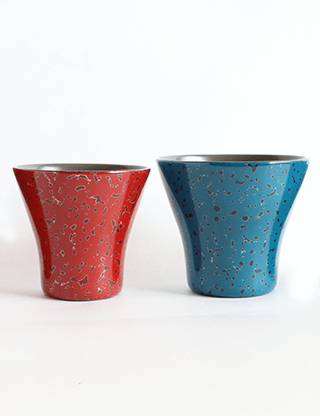
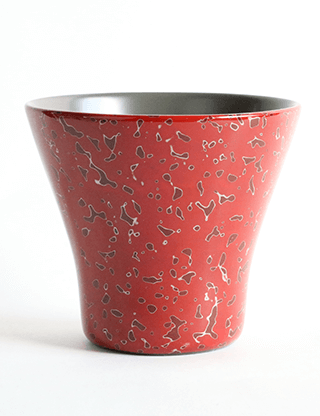
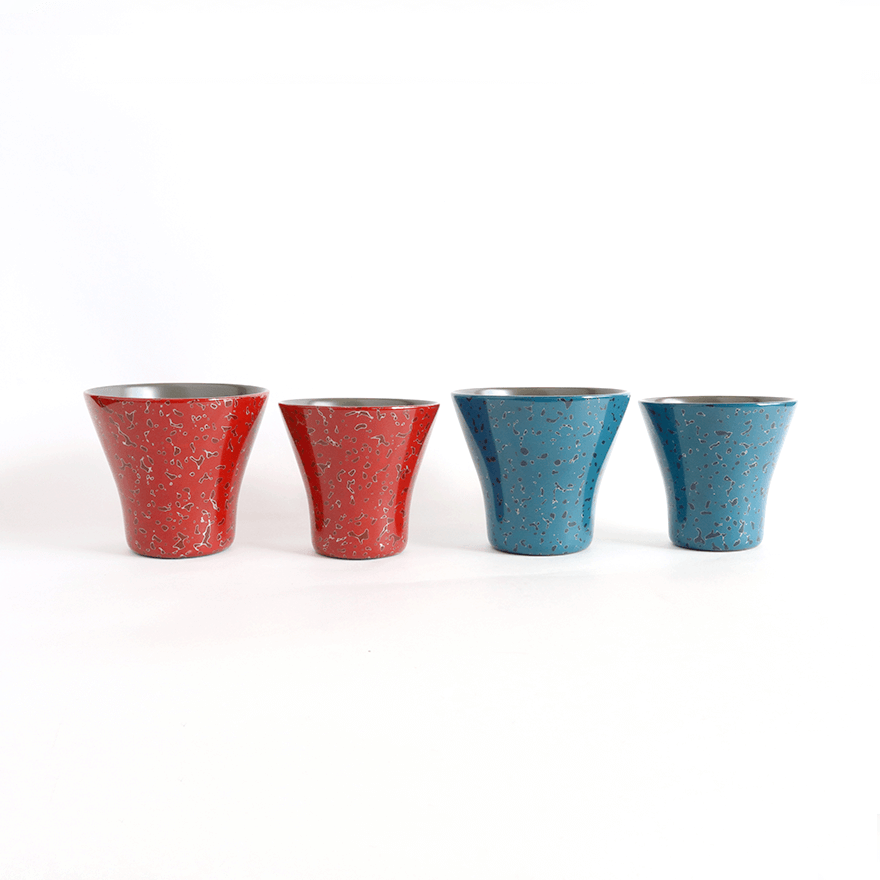
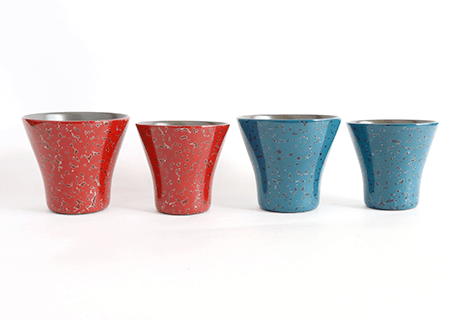
- L22,000 yen + tax
- S20,000 yen + tax
MATERIAL/Natural wood, Fabric, Natural lacquer, Tin powder
SIZE/L:W90φ×H80mm S:W80φ×H75mm
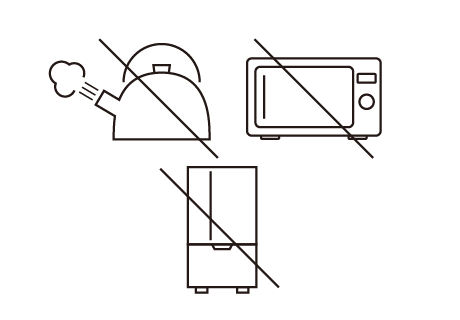
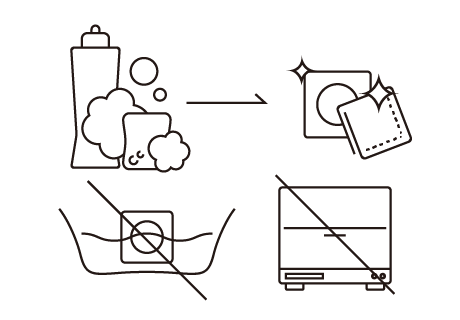
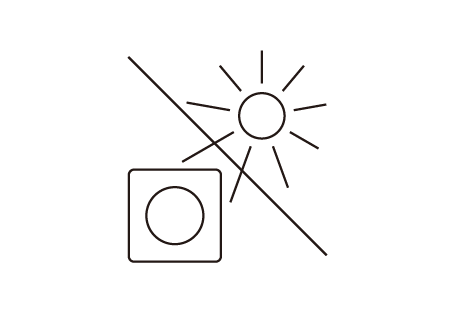
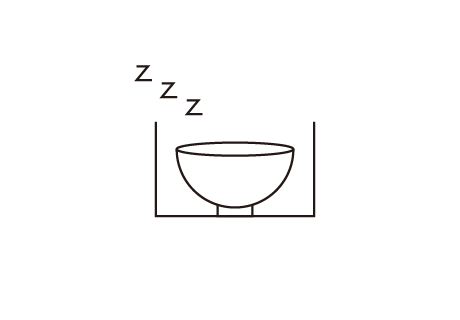
Guidelines for using Japanese lacquerware
ABOUT TSUGARU−NURI
It is the only craft in Aomori Prefecture to have been designated as a National Traditional Craft Industry (1975) and as an Important Intangible Cultural Property (2017).
There are four representative styles: Kara-nuri, Nanako-nuri, Nishiki-nuri, and Monsha-nuri; however, by combining colors and interweaving these various techniques, an infinite variety of designs can be created.
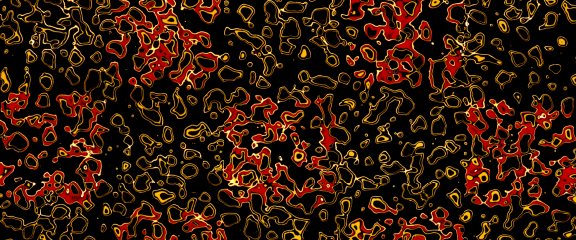
Kara-nuri
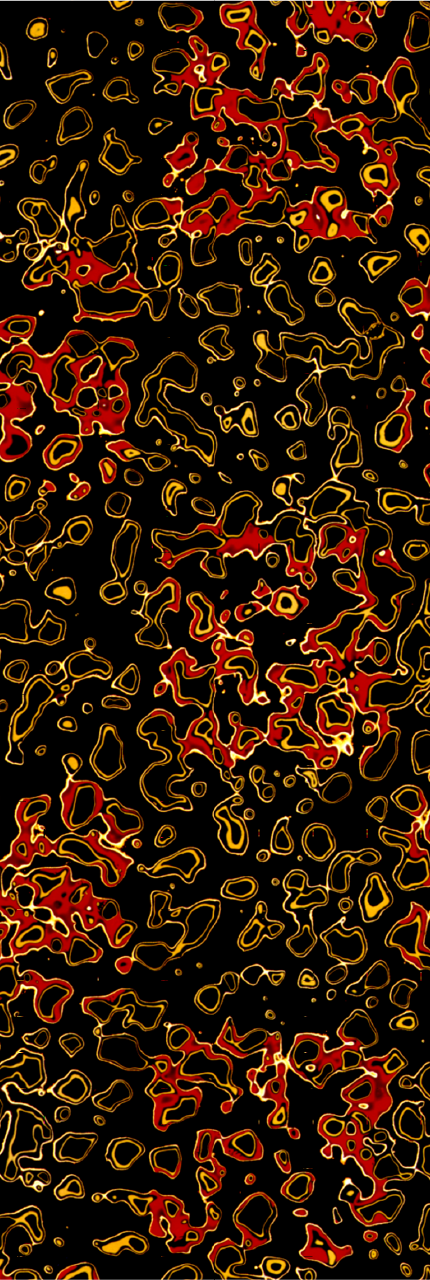
This is the most well-known lacquer technique and the quintessential style of Tsugaru-nuri.
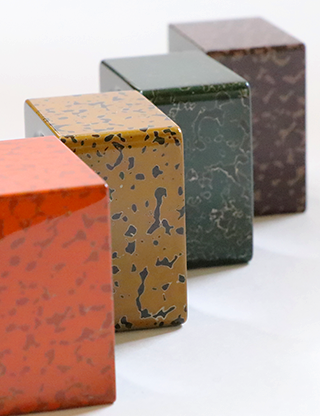
It serves as the foundation for the diverse “Togidashi-kawari-nuri” techniques, creating a rich, substantial finish with beautiful layers of colored lacquer.Black lacquer mixed with egg white is applied using a special spatula to create a speckled pattern. Colored lacquer is then layered on top, and when polished with a grindstone or charcoal, the cross-sections are revealed, producing a unique pattern.
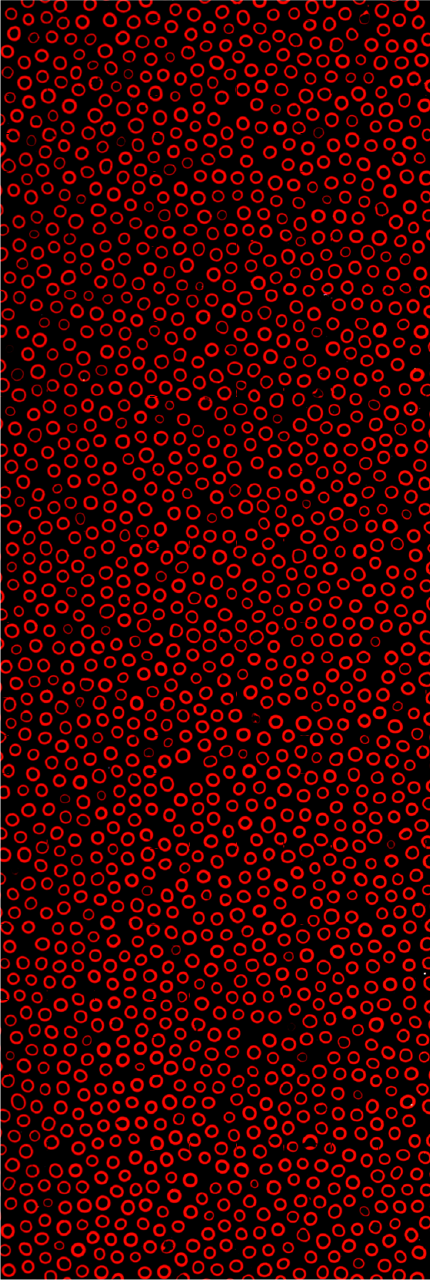
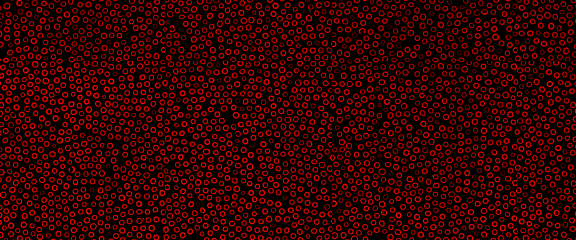
Nanako-nuri
A lacquer technique that creates Edo Komon-style circular patterns by scattering rapeseed seeds.This sophisticated Edo Komon-style finish evokes the appearance of rows of fish roe, known as “nanako.”
Rapeseed seeds are scattered onto a wet lacquer coating applied with a brush. After the lacquer dries, the seeds are peeled away, leaving behind circular protrusions. Lacquer—which serves as the base color—is then applied to these protrusions, and upon polishing, small circular patterns emerge.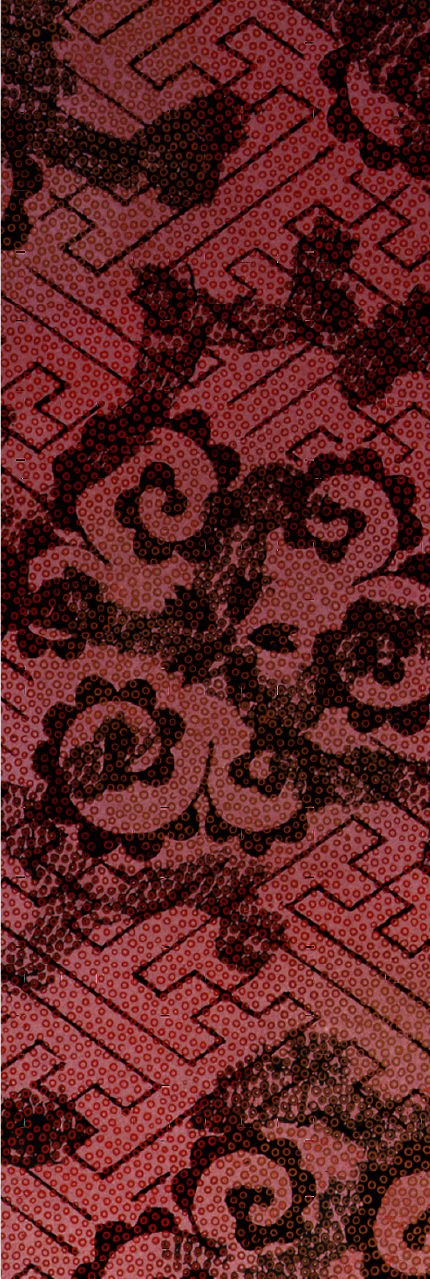
Nishiki-nuri
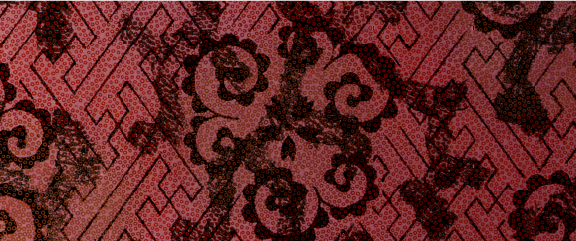
This lacquer finish, based on Nanako-nuri, features added patterns and exudes a luxurious, Nishiki-style atmosphere.On a Nanako ground with a gradated checkered pattern in yellow and vermilion, cherry blossom arabesques and Saya motifs are hand-painted, accented with green shading. Vermilion lacquer mixed with tin powder is applied with a brush; when polished, the patterns are partially obscured by the circular motifs, creating a soft, subtle interplay of visibility and concealment.
Monsha-nuri
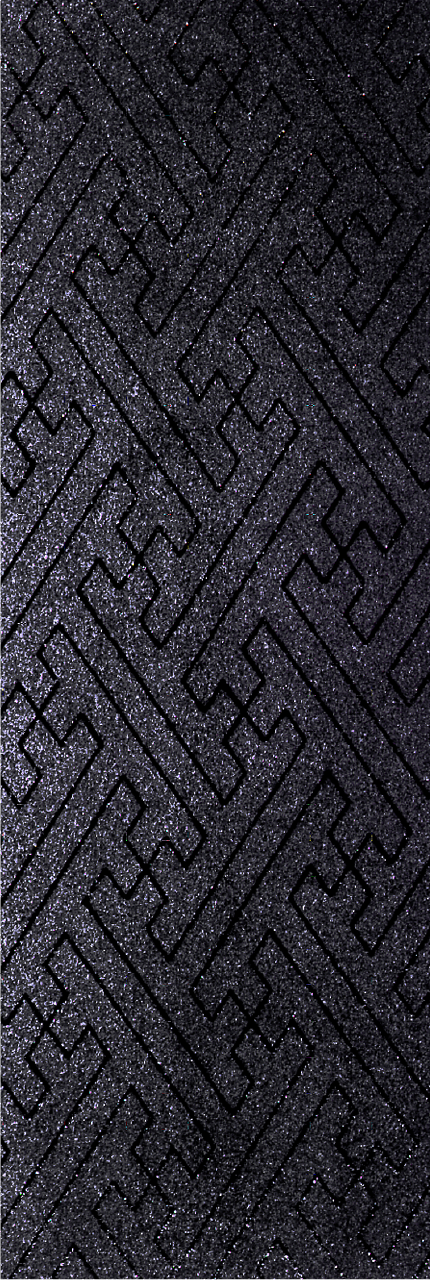
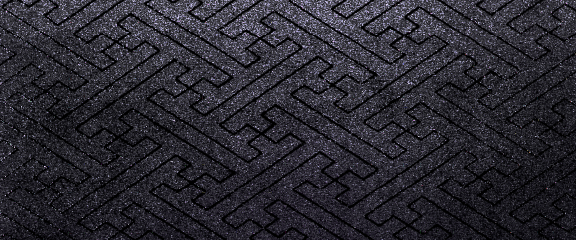
A subdued finish achieved by sprinkling rice husk charcoal powder and then polishing it out.This understated finish features glossy black lacquer patterns that emerge on a matte black background, depending on how the light hits it.
After using a brush to build up black lacquer in raised relief to create designs or patterns, lacquer is applied, rice husk charcoal powder is sprinkled over it, and once dry, the patterns are revealed by polishing away the powder.
ABOUT KABA
To sell new products and develop both existing and new markets.
To create opportunities for aspiring Tsugaru-nuri artisans to be welcomed into the field.
INQUIRY FORM
please feel free to contact us using the form below.*All fields are required.